N1 tree felling
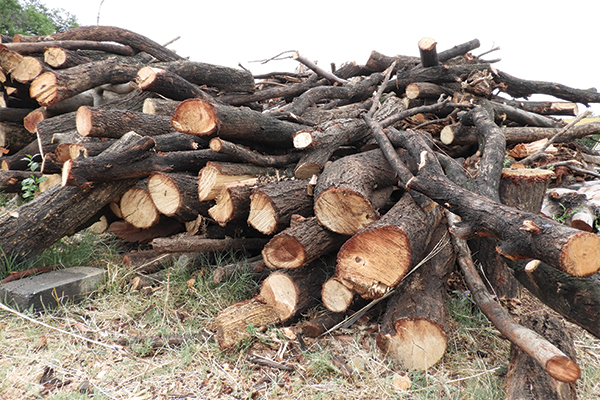
Limpopo – The Limpopo province attracts domestic and foreign tourists for its plant and animal life. While driving from the Gauteng province the indigenous trees along the N1 remind travellers that they are coming to a special place where the wilderness is treasured.
Unfortunately, unscrupulous, and large-scale tree felling has been taking place along the N1 and other roads. Tree stumps can be seen between the Mookgophong on ramp and the Kranskop Toll Plaza. No doubt this is partly due to the many people who find themselves in economic difficulties – but even so – disregarding environmental authorisation processes that has been put in place after careful consideration of climate change, air quality, species facing extinction and the functioning of ecosystems, should not be condoned or supported.
The environmental authorisation processes that is followed even by the South African National Roads Agency (SANRAL) before cutting down indigenous trees is done through the Limpopo Province – Department of Economic Development; Environment and Tourism (LEDET).
Expertise exists within LEDET to determine whether the tree species that will be removed is protected or has medicinal or cultural value in the area. LEDET should also be able to make recommendations on how felling should be done to induce regrowth, give inputs on what area could be cleared or selectively cleared to protect threatened and protected species, improve pasture or biodiversity and prevent soil erosion and ecosystem deterioration. There are many areas in the bushveld where the inappropriate use or control of veld fires or the introduction of cattle, has resulted in overgrowth of one species of woody plant known as bush encroachment. It would be beneficial to remove such species for firewood.
Due to the large-scale poaching of indigenous wood from natural areas, people who appreciate trees must start to ask questions about the source of braai wood before they buy it. Even deadwood should not be removed from the environment as it provides a habitat for insects, food for birds and lizards and enriches the soil.
Any suspicious tree cutting should be reported locally on the national environmental crimes and incidents hotline on 0800 205 005 or complaints@environment.co.za or to SANRAL Mphahlele environmental management specialist Mogole on 083 474 1041 or MphahleleM@nra.co.za.
Remember to supply the date, time, clear location, number plate of the vehicle and a few lines describing the problem.