
The buzz around town
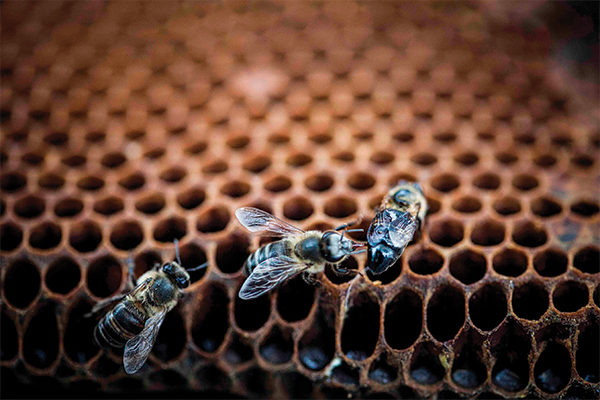
South Africa – World Bee Day on 20 May is an important day that raises awareness around our declining bee population and recognises how integral these pollinating powerhouses are to our planet’s sustainability.
Candide, the free community gardening App that connects gardeners, made a big buzz on the day by launching #PolliNationSA, a 10-month campaign that runs until March 2021. It aims to recruit a minimum of 100,000 South Africans to become bona fide bee protectors.
How? It’s as easy as A-Bee-C. All one needs is the Candide App and a pollinator-friendly plant.
“There’s no underestimating the importance of having a healthy bee population,” explains Candide market lead Shani Krige. According to Candide, bees are pollinators of more than a third of all our food crops and about 90% of wildflowers and with the population of bees declining around the world, ensuring that they survive, thrive and flourish – is crucial.
The #PolliNationSA campaign really is for everybody and getting involved couldn’t be simpler. Here’s how easy it is:
- If you’re not already part of the Candide community, download the free Candide App, available on the Apple Store and Google Play Store.
- Snap a pic of a bee-friendly plant that you’re growing in your garden, on your stoep, windowsill or balcony. Bee-friendly plants and flowers include Aloe, Vygies, Clivia, Daisies, Protea, and Rosemary. Candide’s got loads of information on pollinator-friendly plants – you may also want to consider more than one plant to ensure there’s something in bloom for the bees throughout the year.
- Share the pic on the Candide app using the hashtag #PolliNationSA.
- Once posted, you’ll receive a #PolliNationSA icon that will be added to your Candide profile pic confirming your pollinator status.
“With #PolliNationSA we’re hoping to leverage off the existing awareness and provide an opportunity for everyone to get involved in something truly worthy”, concluded Krige.
Did you know?
- Honeybees communicate with one another by dancing.
- The queen bee can live up to five years and is the only bee that lays eggs. She is the busiest in the summer months when the hive needs to be at its maximum strength and lays up to 2,500 eggs per day.
- Honey has always been highly regarded as medicine. It is thought to help with everything from sore throats and digestive disorders to skin problems and hay fever.
- The honeybee is the only insect that produces food eaten by man.
When a bee finds a good source of nectar, it flies back to the hive and shows its friends where the nectar source is by doing a dance which positions the flower in relation to the sun and hive. This is known as the ‘waggle dance’.