
Rhino poaching down 50% in first half of 2020
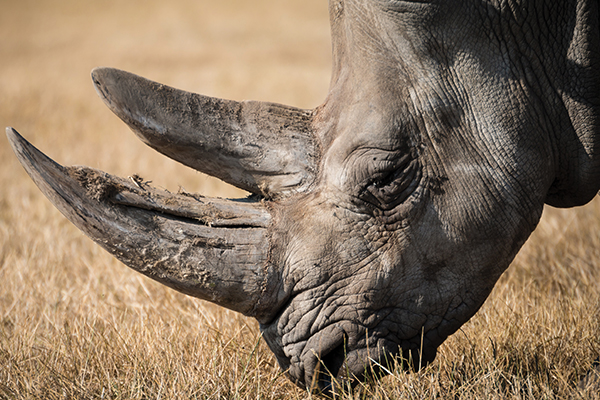
South Africa – Rhino poaching has decreased by almost 53% in the first six months of 2020, with 166 animals being killed for their horns across the country since the beginning of the year. During the first six months of 2019, 316 rhino had been poached in South Africa.
“After a decade of implementing various strategies and campaigning against ever increasing rhino poaching by local poachers recruited and managed by crime syndicates, efforts are paying off,” said the minister of Environment, Forestry and Fisheries, Barbara Creecy. “We have been able to arrest the escalation of rhino losses.”
The minister said with the COVID-19 associated countrywide law enforcement measures to restrict movement, the decline in rhino poaching compared to the same period last year is striking. This reprieve was specifically welcome in the Kruger National Park where during April, no rhino were killed in the intensive protection zone for the first time in almost ten years.
Between the start of the lockdown on 27 March 2020 until the end of June 2020, 46 rhino were poached across the country. As the lockdown restrictions have gradually been lifted, so the rhino poaching incidents have slowly increased.
Despite attempts to smuggle rhino horn valued at around R115 million through OR Tambo International Airport in the first two weeks of July 2020, the decrease in rhino poaching can also be attributed to the disruption of the supply chain resulting from the national travel restrictions, including limitations placed on movement across the country.
In celebration of World Ranger Day, the minister paid tribute to the men and women whose commitment to protecting the country’s natural heritage, sometimes at the expense of their own safety. “Our rangers have remained at the forefront of the battle against poaching, despite the national lockdown, contributing to the decrease in poaching. In this time, rangers have had to face not only the threats posed by poachers, but they, and their families, have also had to deal with the danger of contracting COVID-19.”
Department of Environment, Forestry And Fisheries press release extracts, 31 July 2020