Hot as hell
Thabazimbi – With temperatures expected to reach a high of 36°C on Saturday 28 January and 37°C on Sunday 29 January, Platinum Bushvelder caught up with those in the know to share a word of caution with our communities.
There was a sharp rise in temperatures in various parts of the country during the last couple of weeks. The very sad account of seven heatstroke related deaths in Kakamas in the Northern Cape on Sunday 22 January was a reality check for the rest of us.
In an interview with Thabazimbi Local Municipality’s Disaster Management manager, Gerrie Visagie said: “The iron mountains in our area have a direct impact on our temperatures. The Ysterberg mountain, which is heavily laden in iron, absorbs the treacherous heat. That is why it’s even hot after sunset.”
Thabazimbi is situated at the feet of the Ysterberg and is surrounded by the Witfonteinrand and Boshofberg with the majestic Kransberg in the background.
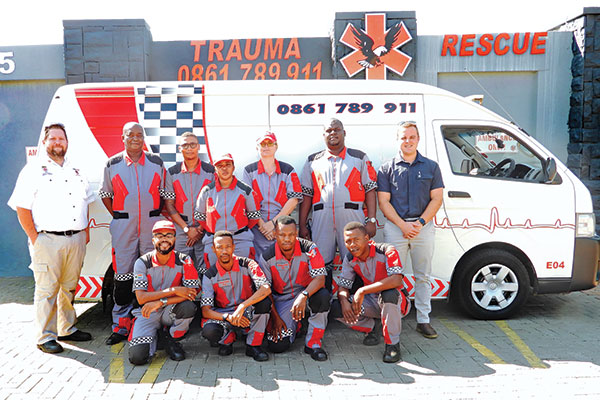
Heatstroke is a result of prolonged exposure to high temperatures, especially during physical activities. Trauma Rescue’s industrial operations manager, Rayno Dempers says: “Heatstroke is serious. It occurs when the body can no longer control its temperature. The body temperature rises rapidly when its ability to sweat fails, meaning that the body is unable to cool down.”
“Watch out for the following warning signs of heatstroke,” Dempers says:
A fever above 40°C
Severe headache
Extreme exhaustion
Confusion or agitation
Rapid heart rate of above 100 beats per minute (bpm)
Convulsions or loss of consciousness
Dizziness
Rapid shallow breathing
Nausea and vomiting
Loss of appetite
Warm, dry skin with no sweating
What to do if someone has a heatstroke:
- Most importantly, call for an ambulance!
- Move the person to a cool, preferably air-conditioned environment, or at least a cool shady area.
- Remove unnecessary clothing.
- Use a wet cloth or sponge and wipe the person’s body down.
- Apply ice packs under the armpits, groin, neck, and back.
- If possible, place the person in a cool bath or shower.
- If the person is awake and aware of his/her surroundings, start rehydrating the patient.
- If the person starts to convulse [suffer violent involuntary contraction of the muscles, producing contortion of the body or limbs], do not restrain him/her. Turn him/her on their side. Do not put foreign objects in the mouth—you will cause more damage.
- If the person becomes unconscious, turn the person into the recovery position. [a position used in first aid to prevent choking, in which the body is placed facing downwards and slightly to the side, supported by the bent limbs (foetal position)].
- Ensure that the patient is still breathing and has a pulse. If the breathing or pulse is absent start CPR.
- Only start CPR if you are knowledgeable on the matter; understand that you will have to continue CPR until an emergency responder is able to take over.
Platinum Bushvelder’s advice to our community members is simple: Keep hydrated and avoid unnecessary physical activities during high temperatures.
Also make sure that your pets have shade and a decent supply of water—especially if you are not at home during the day.
#FosteringASenseOfCommunity